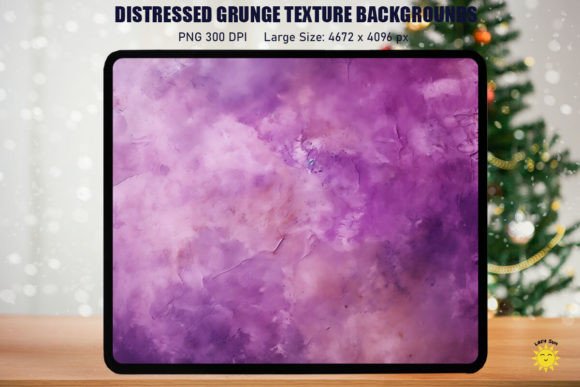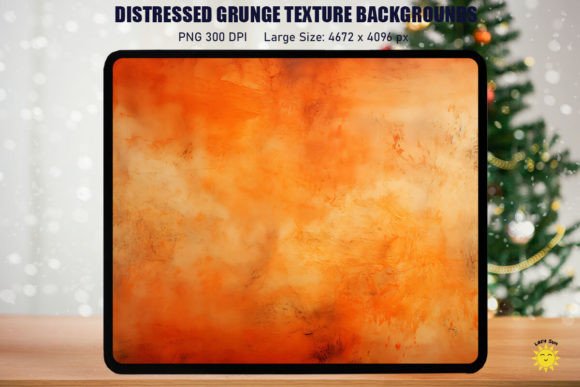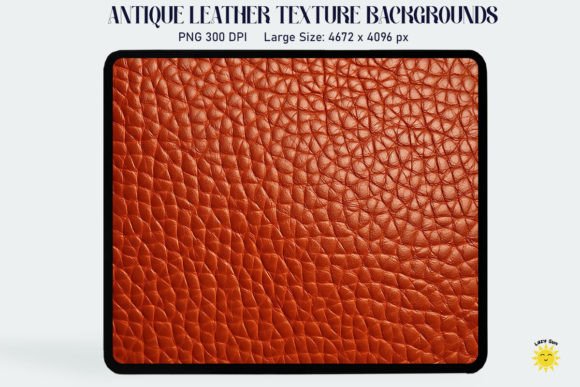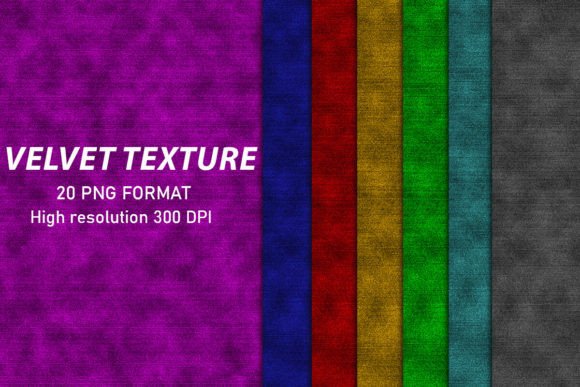
Silver Grunge Texture Backgrounds: Adding Depth and Character
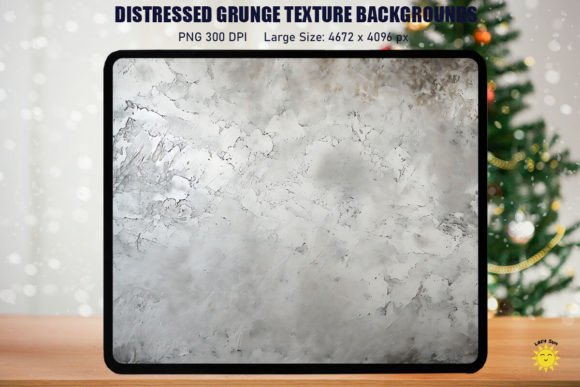
When a design needs more than just a flat, digital feel, a texture can make all the difference. Silver grunge texture backgrounds offer a specific kind of visual weight and history. They aren't just a color; they're a surface. Think of the cool, metallic sheen of brushed aluminum, overlaid with the authentic wear of time—scratches, subtle abrasions, and uneven patinas. This combination creates a distressed aesthetic that feels both industrial and vintage. It’s a design asset that communicates resilience, authenticity, and a touch of rugged elegance.
Visual Character and Practical Appeal
The core appeal of these textures lies in their dual nature. The silver base provides a modern, versatile, and somewhat neutral foundation. It can lean towards a sleek, futuristic chrome or a warmer, antique pewter depending on its undertone. The "grunge" element is where the personality emerges. These aren't clean, sterile surfaces. They are weathered texture backdrops that tell a story. The distressed marks, grain, and subtle imperfections break up monotony, adding visual interest and a tactile quality that flat colors lack. This makes them incredibly effective as a background element, allowing foreground text and imagery to pop with clarity while the overall composition feels grounded and substantial.
As a retro grunge texture, it taps into a well-loved aesthetic that never truly goes out of style. It evokes a sense of nostalgia for physical materials—old metal signage, worn machinery, or vintage photographic plates. This makes it a powerful tool for projects aiming for a distressed grunge texture background vibe without looking dated or cheap. The high-resolution 300 DPI PNG files ensure that whether you're scaling down for a social media graphic or up for a large print banner, the intricate details of the texture remain crisp and professional.
Where This Texture Truly Shines
Understanding where to deploy silver grunge texture backgrounds is key to leveraging their full potential. They are not a one-size-fits-all solution, but in the right context, they become a cornerstone of a project's visual identity.
- Branding and Identity: For brands that want to project strength, durability, or a crafted, hands-on ethos, these textures are invaluable. Think of a craft brewery logo, an outdoor apparel company's website header, or a music label's album artwork. The texture adds an instant layer of credibility and attitude that a simple color block cannot achieve.
- Digital and Web Design: As web backgrounds, they create immersive environments. Used sparingly—perhaps behind a header, a footer, or a featured content block—they add depth without overwhelming the user interface. Pair a silver grunge texture with a clean sans serif font for body text to ensure excellent readability, using the texture to frame the content rather than compete with it.
- Print and Packaging: In print, texture translates beautifully. Imagine a business card with a subtle, embossed-feel silver texture, or a product label for artisanal goods where the background mimics aged metal. It elevates the perceived quality and makes physical items more memorable. The included PNG files are perfect for direct use in print design software.
- Social Media and Marketing: Standing out in a crowded feed is challenging. A distressed grunge texture background can give your graphics a distinctive, eye-catching foundation. It works exceptionally well for quotes, announcements, and promotional imagery, especially for brands with a gritty, authentic, or vintage-inspired voice. Combine it with bold typography for maximum impact.
- Creative Projects and Craft: For scrapbooking, digital collage, invitations, or mixed-media art, these textures provide a rich, layered starting point. They can serve as a unifying element that ties disparate visual components together, offering a consistent weathered texture backdrop that enhances the overall composition.
Design Guidance and Smart Application
Integrating any strong design element requires thoughtful consideration. Here’s how to work with silver grunge texture backgrounds effectively.
Evaluate Fit First: Before applying, ask if the texture aligns with your project's message. A sleek tech startup might find it too rustic, while a vintage record store would find it perfect. The texture's personality should amplify, not contradict, your brand's voice.
Mind the Hierarchy: The texture's detail can compete with text. Always prioritize readability. Use it as a background for large headlines (where the texture is partially obscured by bold type) or in areas with less critical text. Employ solid, semi-transparent overlays if needed to create a clear "text zone." Testing with your actual content is non-negotiable.
Font Pairing is Critical: The right typeface pairing can either harmonize with or intentionally contrast the texture. For a cohesive, rugged look, pair it with a serif font that has its own character or a handwritten font. For a clean, modern juxtaposition, a simple, geometric sans serif font can look stunning against the gritty background, creating a dynamic tension between old and new.
Color and Adjustment: Don't be afraid to modify the texture's color to suit your palette. A slight hue shift in Photoshop or Illustrator can turn cool silver into warm bronze or aged gold. Adjusting the contrast can also make the distressing more or less pronounced, allowing you to fine-tune the effect for your specific needs.
Commercial Confidence: These are premium font assets designed for professional use. The licensing typically allows for both personal and commercial projects, giving you the freedom to use them in client work, products for sale, and marketing materials. This makes them a valuable addition to any designer's toolkit, offering a unique resource that can be adapted across countless projects to build a distinctive brand identity.
In essence, silver grunge texture backgrounds