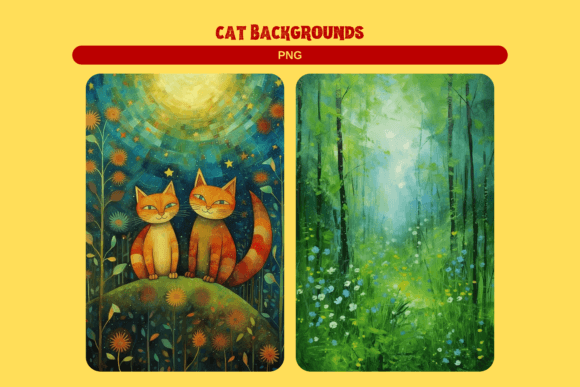
Cat Backgrounds: A Type Solution with Personality
When you are working on a project that demands a bit of warmth and distinctiveness, finding the right visual asset can feel like a hunt for buried treasure. You want something that communicates a specific mood immediately without having to explain it. That is exactly where a design choice like Cat Backgrounds comes into play. It is not just another file in your assets folder; it is a statement piece. This particular style of visual design captures a specific aesthetic that resonates deeply with audiences looking for something friendly, playful, and authentic. For designers, marketers, and content creators, understanding how to leverage a distinct visual style like this is crucial for cutting through the noise.
Understanding the Aesthetic and Appeal
To truly understand the value of Cat Backgrounds, you have to look past the surface level. Visually, this type of design often mimics the organic, irregular strokes found in handwritten font styles or the textured, warm look of vintage prints. It bridges the gap between being a premium font asset and feeling like a personal sketch in a journal. The "personality" here is key. Unlike the rigid structure of a geometric sans serif font, or the authoritative weight of a traditional serif font, Cat Backgrounds brings a sense of approachability. It feels human. This is vital because in a digital landscape dominated by AI and automation, human touches are what build trust. The visual characteristics usually include soft edges, varying line weights, and perhaps a slight imperfection that makes the final output feel genuine rather than manufactured.
For a brand identity, this aesthetic signals creativity and openness. It suggests that a brand is willing to be playful and connect on a personal level. This is why you see this style popping up in everything from artisanal food packaging to boutique agency portfolios. It carries a modern typography vibe that appeals to a demographic tired of sterile, corporate visuals.
Strategic Applications for Modern Projects
Knowing what Cat Backgrounds looks like is one thing; knowing where to deploy it is where the strategy comes in. Because of its inherent character, this design asset shines in specific environments where engagement is the primary goal.
Branding and Logo Design
In logo design, Cat Backgrounds can serve as a secondary element or a primary logotype for brands that want to emphasize creativity. It works exceptionally well for coffee shops, boutique clothing lines, pet services, and lifestyle blogs. However, it is important to consider the medium. If you are designing a logo that needs to be etched onto metal or embroidered on uniforms, the intricate details of a creative font or textured background might get lost. In those cases, use it for the brand's wordmark in digital applications while keeping a simplified sans serif font for legibility on merchandise.
Digital Marketing and Social Media
This is where Cat Backgrounds truly excels. In the fast-scrolling environment of social media, you have milliseconds to grab attention. The unique visual rhythm of this style breaks the pattern of standard text. It is perfect for Instagram quotes, Pinterest pins, and YouTube thumbnails. When paired with a clean display font, it creates a dynamic contrast that draws the eye. For web design, it can be used sparingly for hero section headers or call-to-action buttons to inject personality without sacrificing the user experience. Just ensure that the background texture does not clash with the foreground text; a little transparency or a solid overlay can help maintain readability.
Publishing and Editorial Design
In editorial design, specifically for magazines or independent zines, this style works beautifully for pull quotes or feature headers. It adds a layer of tactile texture that digital pages often lack. If you are designing a book cover, Cat Backgrounds can evoke a specific genre—perhaps contemporary fiction or a memoir—better than a standard script font. It provides a visual shorthand for the tone of the content inside.
Technical Mastery: Pairing and Readability
One of the most common mistakes in using a premium font or a distinct visual background is poor pairing. You cannot simply throw a complex design onto a page and hope for the best. The golden rule of font pairing is contrast. Since Cat Backgrounds implies a certain organic complexity, you should pair it with something stable and neutral.
A clean geometric sans serif font is often the best companion. The neutrality of the sans serif allows the personality of the Cat Backgrounds element to pop without the design looking cluttered. Avoid pairing it with another script font or a highly decorative serif font, as this will create visual competition and make the layout unreadable.
Readability Considerations
Readability is non-negotiable. While a creative font style looks beautiful, if your audience cannot read the message in under two seconds, the design has failed. When using Cat Backgrounds, pay close attention to kerning (the space between letters) and leading (line height). Often, designs with a lot of character need a bit more breathing room. Test your designs on multiple devices. A texture that looks like a subtle handwritten font on a 27-inch monitor might look like a blurry mess on a mobile screen. Always prioritize legibility over style.
Practical Selection and Commercial Viability
When you decide to integrate Cat Backgrounds into your toolkit, you need to evaluate it like any other business asset. First, check the technical specs. Does it include multiple weights or styles? A robust typeface or asset pack should offer variations—perhaps a light, regular, and bold version—so you can create a visual hierarchy without introducing a third design element.
Second, consider the licensing. If you are a small business owner or a freelancer, you need to ensure the asset comes with a commercial font license that covers your specific use case. Can you use it on unlimited print runs? Can you embed it in an app? Always read the EULA (End User License Agreement). A cheap or free asset with a restrictive license can cost you thousands in legal fees later.
Finally, test the fit. Before committing to a full rebrand or a large-scale packaging design project, create a mood board. Place Cat Backgrounds next to your photography, your color palette, and your copy. Does it enhance the message or distract from it? The best design choices are the ones that serve the story you are trying to tell. By treating this asset with the same scrutiny you would apply to a premium font, you ensure that your final product is not just beautiful, but effective and professional.