Capture the Season: Creative Uses for Autumn Leaves Backgrounds
There is a specific nostalgia attached to the changing seasons, particularly the shift from summer’s vibrancy to autumn’s earthy warmth. For designers, crafters, and brand strategists, capturing this fleeting moment requires more than just a good camera; it requires versatile design assets. Enter the Autumn Leaves Backgrounds collection by The Dutch Lady Designs. This set is not merely a collection of stock photos; it is a toolkit designed to evoke the cozy, organic feeling of fall through rich textures and natural patterns.
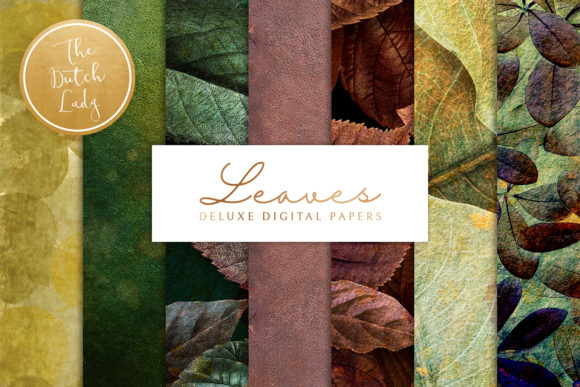
As someone who has spent years navigating the intersection of print and digital media, I appreciate assets that bridge the gap between professional utility and aesthetic charm. This collection features seven distinct digital paper images. They are high-resolution files, clocking in at 300dpi and measuring 3600x3600 pixels (a perfect 12x12 inch square). This sizing is intentional, catering specifically to the scrapbooking and card-making communities while remaining fully scalable for large-format printing like wall art or apparel.
The Texture of Autumn: Visual Style and Personality
The personality of these backgrounds is grounded in realism. Unlike vectorized or overly stylized illustrations, these papers rely on the inherent beauty of nature. The visual characteristics likely include the intricate veining of leaves, the rough texture of fallen foliage, and the organic color palettes associated with the season—burnt oranges, deep reds, golden yellows, and muted browns.
It is important to note that the patterns in this set are NOT seamless. In the world of digital design, we often treat seamless patterns as the gold standard, but non-seamless textures have their own distinct value. They offer a "snapshot" quality. They act as a vignette or a scene rather than a repeating tile. This makes them superior for projects where you want the background to feel like a natural environment rather than a manufactured surface. For example, if you are creating a poster or a single-page flyer, a non-seamless background provides a focal point that guides the viewer's eye naturally, without the distraction of visible repetition lines.
Practical Applications: From Screen to Print
The utility of this collection extends far beyond simple decoration. Because these are .JPEG files, they are universally compatible with almost every piece of image editing software on the market, from professional suites like Adobe Photoshop and Illustrator to accessible tools like Canva, PicMonkey, or even mobile editing apps.
Here is where these backgrounds shine in real-world scenarios:
- Digital Card Making & Scrapbooking: The 12x12 inch format is the industry standard for memory keeping. These papers serve as the perfect base layer for digital scrapbooks, allowing you to overlay photos, text, and embellishments to create depth.
- Blog and Website Design: For lifestyle bloggers, food writers, or travel content creators, autumn themes are essential for Q3 and Q4 content. Use these as hero image backgrounds behind text blocks or as sidebar graphics to instantly season your digital presence.
- Print-on-Demand and Merchandise: The high resolution ensures that the files hold up when printed on physical goods. Imagine a cozy ceramic mug featuring a wrap-around autumn leaf texture, or a tote bag design that celebrates the harvest season. These files provide the necessary fidelity for professional apparel and wall art.
- Corporate and Marketing Collateral: Small business owners can use these to create seasonal menus, sale flyers, or social media headers. The organic texture adds a layer of professionalism and warmth that plain white backgrounds simply cannot achieve.
Design Strategy: Integrating Nature into Brand Identity
When incorporating natural textures like Autumn Leaves Backgrounds into a brand identity or marketing campaign, the goal is to influence audience perception. Nature-based textures evoke feelings of authenticity, sustainability, and comfort. In modern typography and layout design, placing a clean, sans-serif font over a textured leaf background creates a powerful contrast. The roughness of the organic image highlights the smoothness and clarity of the text, improving readability while adding visual interest.
However, working with JPEG files requires a specific workflow mindset. As noted by the creator, these files are not layered. You cannot isolate a single leaf or change the color of the background sky in post-production without significant editing skills. Therefore, the strategy is different than working with a raw vector file. You must choose your background based on its existing color palette and composition.
Working with Image Editing Software
To get the most out of these design assets, you need to be comfortable with layering. Since you cannot edit the internal details of the file, your creativity comes from what you place on top of the image.
- Opacity Adjustments: If the leaf pattern is too busy for your text, lower the opacity of the background layer or place a semi-transparent white overlay (a "veil") between the background and your text to ensure legibility.
- Color Grading: Use the "Hue/Saturation" tools in your software to shift the colors slightly if the default autumn palette doesn't perfectly match your client's brand colors.
- Masking: While the file itself isn't layered, you can create layers in your project file. Use masks to blend the edges of the autumn leaves into a solid color or a different texture for a unique composite effect.
Final Thoughts on Asset Selection
Choosing the right background is often the difference between a project that feels "finished" and one that feels amateurish. The Autumn Leaves Backgrounds set from The Dutch Lady Designs offers a practical, high-quality solution for seasonal projects. Whether you are a hobbyist creating a family photo album or a marketer designing a campaign for a fall sale, these papers provide the necessary resolution and aesthetic appeal.
Remember that great design is about context. These backgrounds are best used when the goal is to evoke a specific mood—warmth, nostalgia, and the beauty of nature. By pairing these high-resolution textures with thoughtful typography and clear layout structures, you can transform a simple digital file into a compelling visual story. Just ensure you have your editing software ready, as the true magic happens in how you layer, type, and compose your final product on top of these rich, seasonal canvases.